
Millions around the globe suffer from anxiety disorder and panic attacks which can severely interfere with one’s daily life, relationships, and general health. A few things to know: anxiety disorder is basically a long-term pattern of worry which is more than what the situation demands and panic attack is a sudden intense feeling of dread coupled with a variety of physical manifestations such as an increased heart-rate or the feeling of not being able to breathe. Both can be exhausting but knowing their causes, recognizing the symptoms, and finding the right forms of treatment are the first steps to getting help for oneself. We will discuss, below, all you should know about this mental challenge which is quite frequent, although it is often misrepresented and not well recognized.
What Is Anxiety Disorder?
One of the problems in mental health is that people do not know the difference between anxiety symptoms and anxiety disorder. Unlike normal worry, anxiety is an illness that has a constant and intense feeling of worry, fear, fear for nothing and restlessness as main symptoms.
As the symptoms get worse, people get stuck in an endless fear mode even when real danger is not present. So their life is taken over by work and relationships and they are not able to do simple tasks because their mind keeps on running the possibility of danger all the time without a concrete reason.
Anxiety is more often connected with depression, so one should be aware of the combination of sadness and constant fear, which can be quite a burden both mentally and physically. That is why seeking help and having a support system from early on is critical for one to regain their emotional balance and energy.
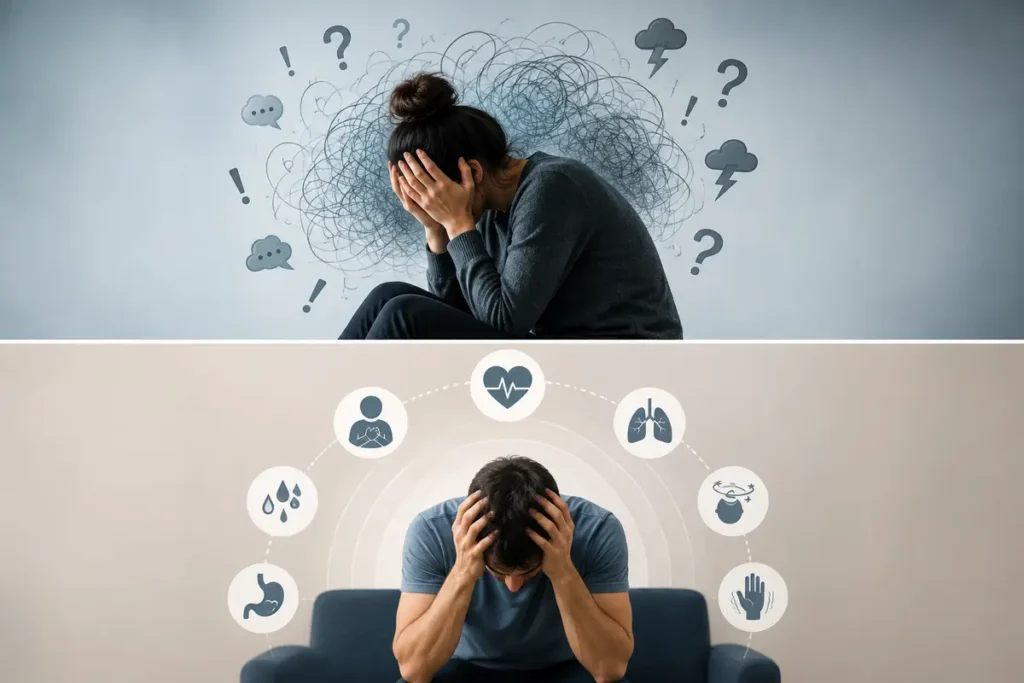
Understanding Panic Attacks
A panic attack consists of a few minutes of severe fear that reaches its peak fairly quickly and then disappears completely. It is not like general anxiety which occurs over a long time; panic attacks just comes as a surprise and seems very terrifying and life threatening even though it is not. Some people who go through their first panic attack might think that they are having a heart attack as they are experiencing the physical symptoms quite intensely.
Panic Attacks Causes
Certain factors that are linked to panic attacks are:
- Genetic predisposition: Having a family member who suffers or has suffered from anxiety/panic disorder greatly increases chances of having a panic attack.
- Neurochemistry problems: The brain’s messengers, neurotransmitters, especially, serotonin in imbalance have been linked to triggering panic reactions.
- Chronic stress: Continuous stress, both emotional and physical, gradually lowers the nervous system’s capacity to handle stress.
- Sudden life upheavals: Losing a job, mourning loss, problems in relationships or a trauma can all be triggers.
- Substance abuse: Consumption of caffeinated items in excess, excessive alcohol or some types of medicines can lead to panic symptoms.
- Medical problems: Conditions like thyroid disease or heart-related illness might resemble or provoke panic episodes.
Symptoms of Anxiety Disorder & Panic Attacks
Early identification of the signs is essential to help an individual get the right kind of assistance as soon as possible. Signs and symptoms include:
Symptoms associated with Anxiety Disorder:
- Continual worries to an extreme extent
- Restlessness or a feeling of being on the lookout
- Problems in focusing one’s mind
- Tension throughout the muscles
- Problems related
- Mood swings are likely
Symptoms of panic attack:
- A faster than normal heart rate or palpitations
- A sense of suffocation or tightness in chest
- Fainting or getting light-headed
- Moist, clammy body, and tremors
- An impression of being in total chaos or one’s life ending soon
- Sensations of numbness or tingling
These symptoms can be experienced with different severity levels depending upon the individual, while at the same time, some may exhibit only a few symptoms, and others will experience the whole package.

Anxiety Disorder and Panic Attacks Treatment
The good news is that both anxiety disorder and panic attacks can effectively be treated with an appropriate treatment plan. Common methods through which people are successfully treated are as follows –
- Psychological Treatment: CBT assists people in pinpointing and reconstructing their negative thought patterns, which are the root cause of their anxiousness or panicking.
- Medication: Antidepressants or medications for anxiety, which come into the hands of people through the supervision of a qualified professional, may change the neurochemistry significantly.
- Changes in lifestyle: such as taking regular exercise, eating properly-balanced meals, and lessening caffeine or alcohol consumption, can really be beneficial.
- Mindfulness and relaxation exercises: Breathing techniques, meditation, and progressive muscle relaxation are all the most effective strategies during times of great stress to relax the whole nervous system.
- Help from a psychiatrist: Most times, the best long-term outcomes result from having a treatment plan that is developed in an individualized way.
Seeking the expertise of professionals is essential when you or a close one have been dealing with constant worry, panic episodes, or the emotional burden of depression and anxiety. The clinic Open Minds Psychiatry provides compassionate, tailored treatment to help you figure out the cause of your symptoms and plan together with you the way forward so that you get your relief lasting as long as you wish.
Frequently Asked Questions
Individuals suffering from a long-term anxiety disorder might be more likely to panic attack. This is usually the case during very stressful times.
We can rest assured panic attacks will not harm the body. They can, however, make us feel as if we are having a heart attack. They generally last no longer than 20 minutes at a stretch.
A lot of people who are undergoing treatment for anxiety, either through psychotherapy or medicines, start to feel better in a few weeks. However, complete healing might come slowly and take even few months.
The term ‘anxiety depression’ is mostly an informal one which is used to indicate situations where symptoms of anxiety and depressive conditions are present together.
For mild cases, lifestyle changes can help, but persistent or severe panic attacks usually require professional treatment for lasting relief.