Is telepsychiatry effective? The majority of mental health professionals say yes, it does work. The biggest studies that were looking at different aspects of virtual visits and in-person sessions found that the levels of satisfaction and dropouts in patients were about the same in either case. In some cases, like the treatment of eating disorders, the dropouts are significantly different.
Below are the major findings from the latest systematic reviews as well as the differences between telepsychiatry and traditional care, what are the main problems associated with video visiting, and what are the chances, you, being in Sacramento or nearby, would do through a telepsychiatry visit.
The reason this question really makes a difference is that a lot of people either wait for a long time to get an appointment or totally skip out on care. If the results of the treatment at a distance are similar, then those people might be the ones who decide not to overcome these barriers.
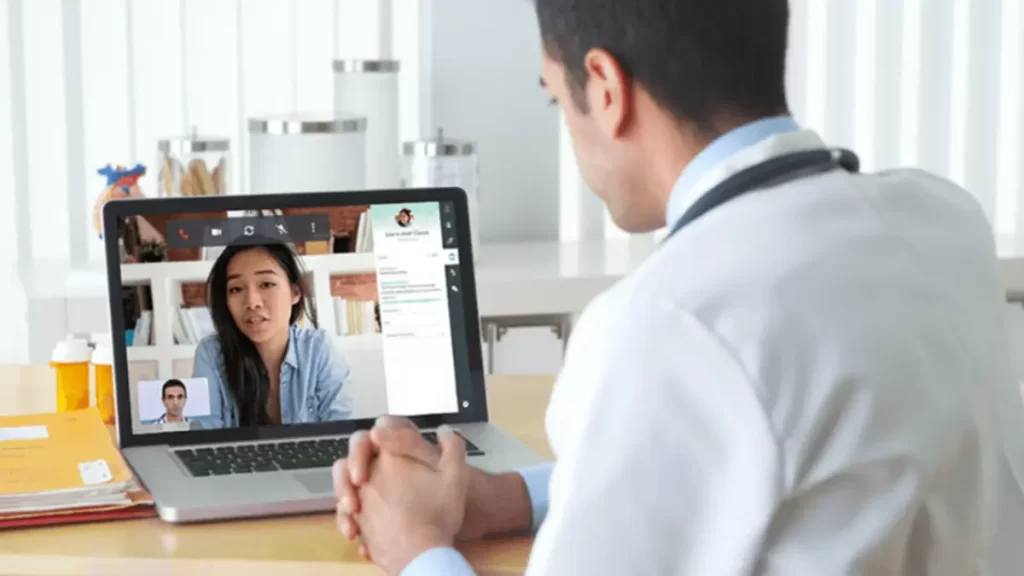
Is telepsychiatry effective? The evidence from pooled studies
The research on telepsychiatry has been most convincing so far if it comes from meta-analyses, which are the studies that bring together the results from multiple randomized trials. A recent meta-analysis published in 2023 by Japanese researchers included 32 studies with a total of 3,592 participants across 11 different psychiatric disorders. Looking at all diagnoses pooled symptom scores, there was no statistically significant difference in effectiveness between telepsychiatry versus face-to-face therapy (26 studies, 2,290 participants, p = 0.248). Likewise, the rate of dropout was also pretty much the same when 27 studies and 3.341 participants were compared.
Previously published results have also shown the same picture. For example, a large-scale study published in 2010 reviewed and combined 10 randomized trials and found no support that psychiatry treatment remotely was any worse than in-person treatment. In a similar vein, a paper published in 2016 reviewed eight studies in which teletherapy was directly compared with face-to-face therapy and found that there was no difference in seven out of eight studies. The one exception was a study of behavioral therapy for eating disorders (bulimia nervosa) which showed that in-person therapy was superior.
Nevertheless, one caveat is still valid. A third independent review of randomized control trials stated overall the available evidence was insufficient both in range and quality and could not decide which format is better. The correct way to capture the findings of telepsychiatry research is as “equal in effectiveness to traditional methods,” and to say that telepsychiatry is “better” is inaccurate and an exaggeration.
Is telepsychiatry effective for depression?
Depression seems to be one area where video consultations had very slightly better results. Six studies with 561 participants showed that telepsychiatry resulted in greater symptom improvement than in-person treatment. The difference was small and the confidence interval was wide, so “at least as good” is probably the best conclusion.
Is telepsychiatry effective for eating disorders?
In the same meta-analysis, eating disorder therapy preferred face-to-face care. The fact is that one study alone with 128 patients produced such results, which, therefore, must not be ignored and further debate is still required. For eating disorder therapy, physical examination and measurement of the signs like weight and blood pressure, etc., are frequently required, which only a real-life examination can carry out.
Telehealth mental health outcomes beyond symptom scores
One of the measures is symptom scales. Mental health telehealth results also rely on attendance and patients’ trust in their physicians.
Video therapy effectiveness and the patient-clinician relationship
Large enhancements in anxiety and depression as well as other mental health conditions were reported by a 2021 meta-analysis on the effectiveness of video-based psychotherapy. The study further stated that this method was not less efficient than the face-to-face therapy method. Researchers that have looked into therapeutic alliance, which is a term for the work relationship between patient and clinician, predominantly show similar evaluation scores for video and in-person care. Whether patients and therapists are in the same rooms or on screens does not seem to make any difference in regard to therapy results.
Missed appointments and remote psychiatry results
A couple of researchers state that some outpatient mental health services reported up to 60% no-show rates before the advent of online health services. A health news report featured a therapist stating that her patient no-show problem dropped from 20% to zero when the sessions were shifted online. The fact that more patients continue their visits means higher therapy retention and is one of remote psychiatry’s outcomes even when the symptom scoring on paper looks similar.
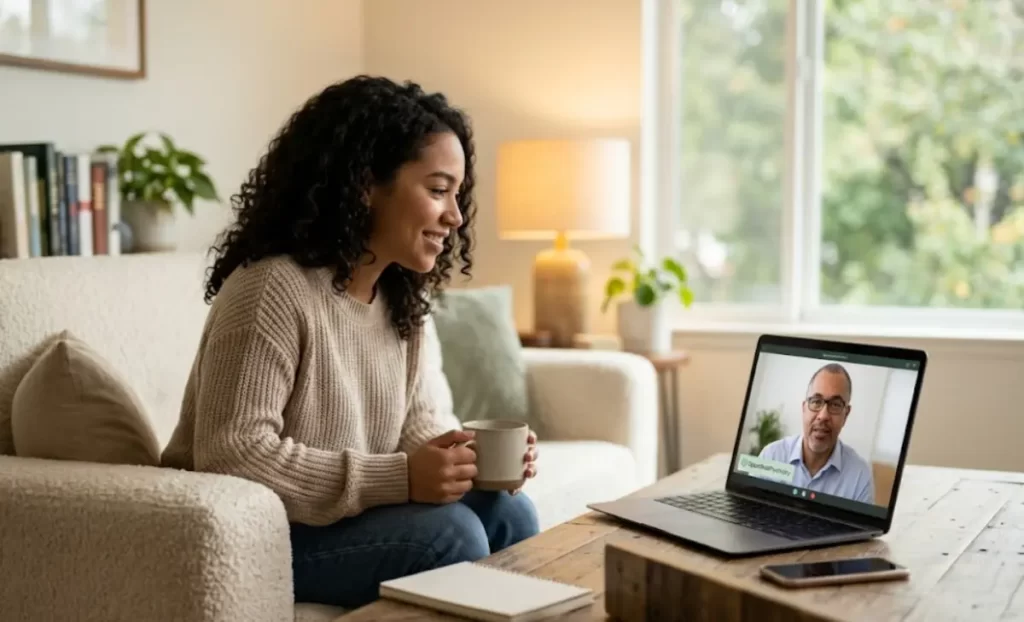
When in-person care still makes sense
Is telepsychiatry the best solution for all scenarios? No. In certain situations, face-to-face consultations remain the more suitable option:
When:
- A condition can only be monitored medically, for example, an eating disorder;
- A medication has to be accompanied by a physical examination, a blood draw or the performance of an ECG;
- A patient doesn’t have any private spaces or a stable connection on the Internet;
- The patient is in a situation that is potentially very dangerous.
Telepsychiatry for patients in Sacramento and nearby communities
The tangible benefits for the Sacramento people to get this service at home are pretty clear and simple to list. No more commuting or going to a waiting room. A parent could do a check with their child’s ADHD doctor right here at home during a school pickup and before dinner time. Someone who gets anxious and doesn’t like going out can also join from the comfort of a place that is already familiar to them.
The mental health center “Open Minds Psychiatry” located in Sacramento works with telepsychiatry for patients at different ages facing a variety of conditions: ADHD, depression, anxiety, PTSD and mood disorders. Services include psychiatric assessments, prescription management, testing based on genetic factors of the medicines and a type of psychiatry connected to eating well. For further information and to schedule a consultation, please call 916-926-6650.
What a good telepsychiatry visit includes
When preparing for a visit, especially if both sides do it, the session will have a better outcome. Some suggestions for preparation before the appointment:
- Find a quiet place where there is no interruption and internet connection is stable
- Bring a list of medications and dosages with you
- Keep record of the changes in sleep, appetite, mood, and concentration since the last appointment
- Jot down your concerns regarding the drug effects
You and the psychiatrist will discuss together what the psychiatrist finds out while taking patient’s history, using standard rating scales to measure symptom changes, checking for side effects.
FAQs
For most conditions, yes. A 2023 meta-analysis found no significant difference in symptom improvement when all diagnoses were combined. Eating disorders were the exception.
Yes. Video-delivered treatment produced large improvements in both, and for depression the pooled results slightly favored telepsychiatry.
In most cases, yes. Diagnosis rests on a clinical interview, rating scales and observation, all of which work on video. If an exam or test is needed, your psychiatrist will say so.
Yes, after an evaluation. Rules for controlled substances vary by state and federal law, so ask the practice how it handles them before your first visit.
It should be. Choose a practice that uses a secure, HIPAA-compliant video platform, and take the call in a private room on a trusted network.