Healing minds‘ is not just a catchphrase. Behind that phrase is a concept describing the process of restoring emotional balance, mental clarity, and inner serenity after periods of stress, trauma, or mental health challenges. Simply put, healing of the mind means recognizing emotional pain, seeking the right professional help, and proceeding by a structured path to recovery through counselling, therapy, with psychiatric care as a last resort.
In a way, most people’s healing journey is ignited by this thought-proximate decision, i.e., to stop dismissing mental suffering and to handle it like physical pain. The health of someone’s mind determines their ability to function well in the various spheres of life, from the interpersonal and occupational to the physical domains which include sleep, motivation, and self-esteem levels.
There’s not so much as a need for a definition of healing and its connection to the role that professionals can play, but rather knowing what a person can do so that the healing process leads them from pain and despair to hope and joy. It is that kind of knowledge that brings about the change from prolonged suffering to lasting recovery.
What Does Healing Minds Really Mean?
In essence, mending broken emotional states is about the psychological and emotional journey towards moving from distress to a state of well-being. This does not happen all of a sudden, it is a slow progress supported by self-examination, a professional therapist, and care regularly. In fact, a successful treatment often consists of uncovering the cause and then, step by step, learning how to change thought patterns and reactions towards distressing situations in a healthy way.
The Role of Healing Minds Counseling
Healing the Mind provides a confidential and non-judgmental space for individuals to talk openly about their personal struggles. The trained counselor will help identify harmful pattern thoughts that might be present along with any traumatic past experiences that could be the sources of ongoing emotional pain. Unlike regular chats with friends or family members, professional counseling is underpinned by evidence-based interventions aimed at helping people achieve significant positive transformation of their emotional state gradually.
You might benefit most from counseling if you are having difficulties with:
- Constant stress or work over-load
- Conflicts relating to the family and romantic partnerships
- Difficulties dealing with the feelings associated with loss and grief
- Mental health issues such as low self-esteem
- Life changes such as changing jobs or getting a divorce
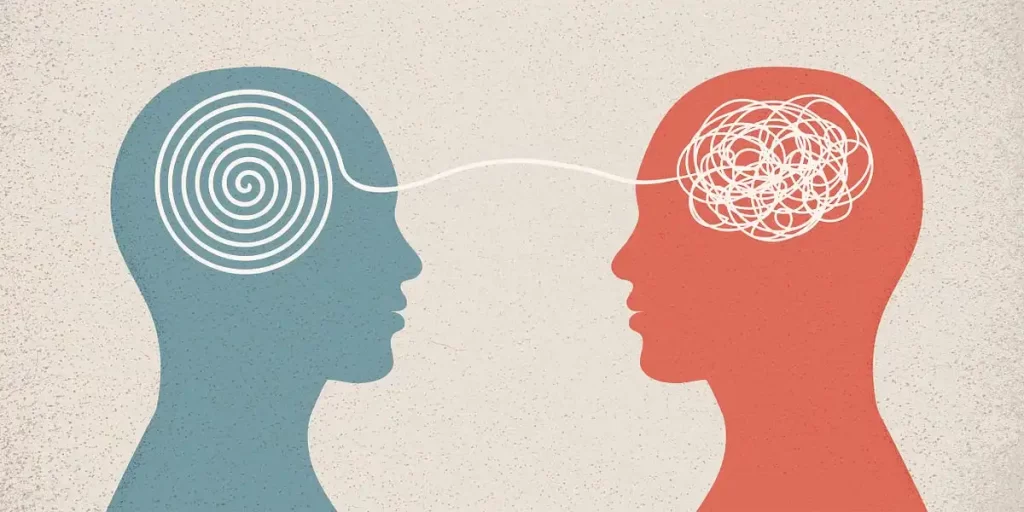
Why Healing Minds Therapy Supports Long-Term Recovery
Counselling usually treats emotional symptoms of the moment, whereas healing minds therapy tends to work at a much deeper level, uncovering old patterns of behaviour that lead to trauma responses and mental illness.
Clients may be assisted through different therapeutic modalities such as cognitive behavioral therapy (CBT), talk therapy, or trauma-focused methods to figure out the causes of their emotional states and behaviors.
Therapy with consistent sessions helps people to become resilient rather than just symptom-free. In the long run, this will help establish healthy relationships, regulate emotional responses, and bring a greater feeling of being the author of your mental state.
Common Signs You May Need Healing Counseling
A lot of people put off getting professional help until it’s too late because they just can’t spot the symptoms early on. Some usual symptoms that indicate you should get psychological support include:
- Not feeling very much or the whole time a very sad/hopeless feeling
- Having a poor focus and not making decisions easily
- Hanging out or going out with friends less and less
- Losing one’s temper or being very moody without reason
- Having problems with falling asleep or being constantly tired
- Despite doing your best moving forward emotionally, still feeling emotionally stuck
If these symptoms are noticed and dealt with in time it may be possible that a person will overcome these emotions rather than the emotional problems turning into more mental health disorders.
Effective Healing Therapy Techniques
One of the most difficult aspects of healing therapy is the fact that it cannot be generalized. A particular method or combination of methods may be very effective for some but completely inappropriate for others. This is why one of the important factors in determining the suitability of a therapy is the individual’s background, temperament, and the nature of the problems at hand. Among the most commonly practiced ones are:
- Cognitive Behavioral Therapy (CBT): It assists one in identifying and changing their destructive thinking and emotional responses.
- Mindfulness-Based Therapy: It is the use of being aware of the present moment and reducing anxiety through the practice of mindfulness.
- Trauma-Informed Therapy: The therapy is designed to help clients heal from traumatic experiences with the guidance of the therapist and a safe environment for processing the trauma.
- Group Therapy: This kind of therapy offers support and encouragement in a setting where individuals experience similar challenges at the same time and help each other by sharing their life stories.
Through a proper understanding of her client’s situation, the therapist will come to know that she should be able to blend various techniques so that what she can offer the client will not be merely a one-size-fits-all approach.

When to See a Healing Mind Psychiatrist
It’s common for therapy and counseling to target emotional and behavior issues, but some people still need extra help when their psychiatric symptoms are so severe that it affects their ability to live their lives normally. A mental health psychiatrist would assess whether the person might need a combination of therapy and medication for their mental illness, which could range from clinical depression to severe anxiety disorders and bipolar disorder, or any other diagnosed mental health issues.
The whole point of psychiatric examination is to figure out what the person’s mental and psychological condition is, so that treatment can include both the psychological and the physical sides of the person’s mental health, and therefore lead to a recovery that is complete in every sense.
Taking the First Step Toward Healing
Healing our minds goes hand in hand with personal development, but nobody needs to bear the burden of it all by themselves. If you or the one you love are caught in the emotional whirlwind of grief, stress, anxiety, depression, or have unresolved trauma, there are professionals whose help can be quite a turning point in your life. Open Minds Psychiatry provides heart-warming, scientifically proven counseling, therapy, and psychiatric assistance tailored to support individuals in transition from emotional turmoil toward stable long-time well-being.
Sometimes, you just do need to speak with anyone, especially someone who knows what they are doing. If anything is a symptom or a manifestation, and not just an isolated event, it would mean a great deal if, at one stage, you decided to open yourself up to therapy. It can be an effective step on the road to your mind’s well-being.
Reaching out for a helping hand does not equate to lacking strength. Instead, it demonstrates the courage that you possess by standing up to face your own mental struggles. It is quite common that people hesitate because they do not really get the benefits they could have from talking to a professional. This is the reason that mental health is a bit like the iceberg: you only see the tip above the waterline, while the rest is hidden underneath. So by taking the first step of reaching out and getting in touch with a therapist, you start revealing the submerged part.
Frequently Asked Questions
Typically, counseling targets urgent issues and gives tips on how to deal at the moment, whereas therapy goes into the matter with a look for a cause that lies deeper and may take the form of behavior patterns.
Depends from person to person, but regularly attending sessions for several weeks to months usually makes them feel good and emotionally healthier.
If your symptoms are very slight, you might not need any therapy at all, and just taking care of your well-being may be sufficient. In other cases where the symptoms are quite severe or keep going for quite a long time, experts normally advise the patient to be psychiatrically evaluated.