
For individuals in their twenties and thirties, there may come a time when the “chaos within organization” that served you well at college is wholly inadequate for functioning in a professional setting. There are deadlines that are irregular, and with all the other distractions in life, there is a tendency to believe that forgetting things is the same as not caring about them. You may find yourself constantly exhausted because you are always lagging behind in completing everything on your plate.
If this describes you, then seeking a professional ADHD diagnosis and treatment should not be about “identifying problems with yourself” but rather getting the owner’s manual for your own unique brain. With access to specialized mental health services in Sacramento, California, you can avoid the negativity of self-recrimination and embrace an approach that aligns with how your brain functions best.
Understanding the Basics: ADD vs. ADHD
It comes as no surprise that ADD and ADHD might appear to be difficult to comprehend when trying to get help. If you happen to belong to the Generation Y, you will remember the days when ADD and ADHD were actually two separate diagnoses. Fortunately, scientific nomenclature has caught up with research developments.
The Technical Shift
In today’s context, “ADD” is regarded as an outdated medical diagnosis. By definition, all conditions fall under the general category of ADHD (Attention-Deficit/Hyperactivity Disorder). The former “ADD” is now officially referred to as ADHD, Predominantly Inattentive Type.
Why This Distinction Matters for Adults
This is very important because most people between the ages of twenty and thirty do not think they suffer from ADHD because they do not feel “hyperactive.” There is no need to literally have problems with sitting down for being diagnosed with difficulties in neurological function.
ADHD is not something that usually translates into physical symptoms but into:
- Executive Function Disorder – problems with beginning the task, although you understand it should be done for your own sake.
- Restless mind – the mind feeling overloaded with information while your body feels relaxed.
- Stuck In Neutral – being “stuck” on small tasks while there is a deadline nearby.
Here it becomes clear that considering hyperactivity as only one possibility helps in detecting signs of ADHD.
Recognizing the Signs: What Does ADHD Look Like in Your 20s?
If we want to deal with ADHD properly, we need to put aside an old-school image of “hyperactive child.” In case you’re an adult in your twenties and thirties, the symptoms of ADHD can be very hard to spot since they happen inside and become extremely detrimental to your personal development or domestic peace.
Beyond the Stereotypes
In adulthood, hyperactivity often shifts inward, moving past the stereotype of the physically restless child. While you may appear calm or even inactive on the outside, your mind might be racing in a dozen directions at once. Recognizing that mental restlessness is a core symptom can help you move beyond common misconceptions and seek an accurate ADHD diagnosis and treatment.
- Executive Dysfunction: This tends to be one of the most irritating features. It is not a result of laziness but rather a neurological “glitch” that prevents you from starting your task no matter how important it is.
- Time Blindness & Chronic Procrastination: You may find yourself frequently underestimating the time it takes to complete a task or losing the sense of how much time passed. Such “time blindness” results in a pattern of procrastinating and being late which may impede your career development.
- Emotional Dysregulation: This refers to the problems people with ADHD have in managing their emotions. One of such emotional issues is rejection sensitivity when you take every criticism personally. Another one is irritability.
- Burnout Cycle: The thing about ADHD is that most young adults try to control their condition through the use of anxiety. Ultimately, however, this approach leads to burnout when it feels too difficult to do anything.
The recognition of such patterns is one step closer to getting out of self-blame. With the understanding that these manifestations are medical illnesses in ADHD patients, you will change your query from “What’s wrong with me?” to “How do I best assist my brain?”
The Path to Clarity: Your ADHD Psychiatric Evaluation
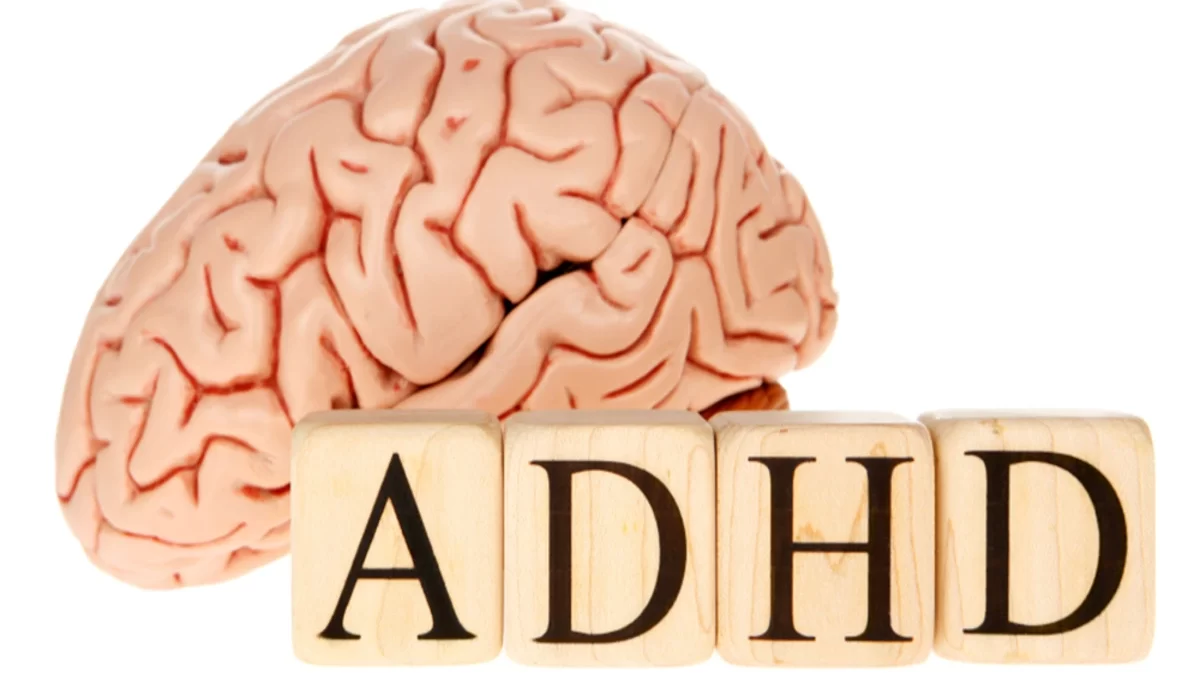
Answering questions is no reason to be afraid. With how many years have you been struggling to know why these seemingly easy tasks became hard for you? An ADHD psychiatric evaluation will be the key to unravelling all this mess. At Open Minds Psychiatry, we provide you with a full medical evaluation of your problem.
What to Expect During the Process
Being tested for attention deficit hyperactivity disorder is one step that you take in tandem with your psychiatrist. But it’s much more than that. It is also about knowing who you are and how your brain operates. The evaluation process involves some aspects that are:
- Clinical Interview: This involves the problems you face in your work environment and personally on a day-to-day basis.
- Background Review: As an ADHD sufferer, there may be patterns in your background that we have to review, regardless of whether or not your grades were top-notch or you had plenty of energy at school.
- Differential Diagnosis: With similar symptoms, it means we have to rule out other conditions such as anxiety, depression, and other sleeping disorders.
Understanding Your Rights: Is ADHD a Disability?
One of the questions that arise in young adults’ minds is, “Is ADHD considered a disability?” According to law, the answer is yes, since people with ADHD have special rights according to the Americans with Disabilities Act and will be given reasonable accommodation in terms of additional time for doing tasks or having a quiet workplace both at work and school.
However, at our clinic, the concept of “disability” refers to empowerment. Even though such a notion helps protect you according to the law, we are much more concerned about finding out which of your qualities make you a stronger individual. It is crucial to remember that people with ADHD are generally very creative, capable of focusing on things they are passionate about, and very good at solving problems.

Personalized ADHD Treatment Plans
ADHD management is not a one-size-fits-all process. Since each individual’s brain works differently, treatment for ADHD should be just as diverse. Open Minds Psychiatry employs a multimodal technique that takes into consideration both the chemical and behavioral aspects of the disorder.
Medication Management in California
For some individuals, drugs play an essential role in balancing the neurotransmitter levels in the brain and providing a calm mental state where they can perform even the most difficult activities.
Customized medication management services in California through our HIPPA-compliant telemedicine website. This includes:
- Prescribing Precise Medications: Selection of either a stimulant or non-stimulant depending on symptomology and medical history.
- Medication Management: Follow-up visits for proper evaluation and optimization of dosage.
- Safety First: Your prescription will be issued from our professionals and sent to the pharmacy you prefer.
Beyond the Prescription: Lifestyle & Coaching
Though medicine may be considered the “engine,” it is through the use of behavioral approaches that the “steering wheel” can be considered.
This is what our approach consists of:
- Approaches Based on Executive Functions: Discovering how to manage your surroundings in order to avoid distractions.
- Behavioral Coaching: Coming up with solutions for how to manage your schedule and organize yourself on a sustainable basis.
- Sleep and Nutrition: Paying attention to your physical needs which might result in ADHD-related problems.
Thus, by combining these two aspects, we provide you with an opportunity to create a healthy lifestyle in harmony with your own brain’s mechanisms despite your responsibilities as an adult.

Why Sacramento Residents Trust Open Minds Psychiatry
Understanding the Sacramento Professional Landscape
Having access to a professional who is well aware of your surroundings will be crucial when seeking an ADHD diagnosis and treatment plan. The professionals at our practice in Sacramento are familiar with the environment in which professionals and scholars operate within the capital. They are familiar with the unique struggles of executive functions in UC Davis scholars and professionals, the pressure that comes with dealing with deadlines in the context of state employment, and the stressors within the technological and artistic realms of the area.
Ease of Care
We believe that looking for psychiatric help should not be yet another task added to your list if you find yourself unable to cope with organization. Open Minds Psychiatry guarantees that your transition from getting evaluated for ADHD to ongoing therapy will go smoothly.
- Integrated Approach: At Open Minds Psychiatry, our focus is on integrative and holistic healthcare and use of medication and psychotherapy to maintain your steady progress.
- Convenience: The appointments we offer can be done via telehealth, thus enabling you to attend to your mental state from the comfort of your own home.
Conclusion & Call to Action
Instead of asking yourself if what you struggle with is simply because of the way that you are, make your way to success using the clarity that comes from knowing how your brain works clinically. It can be managed, and with the proper owner’s manual, turn your daily obstacles into successes.
Take the first step toward focus.
Schedule your ADHD psychiatric evaluation with Open Minds Psychiatry today: Schedule Now
FAQs
An assessment is warranted when your coping strategies acquired during childhood are hindering your productivity in the workplace. Examples include work-related burnout, time blindness, and executive dysfunction.
Yes, because ADHD is categorized as a disability under the ADA, there may be accommodations provided to make your workload less challenging at work and school.
ADD can be thought of as an outdated name for this disorder, now known as ADHD (Inattentive Type). You can have ADHD without being hyperactive.
Your virtual consultation will involve conducting a clinical interview and assessment through telehealth to ensure that you are diagnosed correctly and exclude anxiety and other disorders.
Yes, you can get treatment and prescription medication through telehealth from a doctor based in California and your prescriptions sent directly to the pharmacy.