Withdrawal from caffeine can be really tricky if you’ve been drinking a lot of coffee or other caffeinated drinks and then suddenly give them up.
Caffeine withdrawal happens when a sudden decrease in caffeine intake takes place, and the body is unable to cope with it. These include headaches, fatigue, and changes in mood that can be a big problem in your daily routine.
There are millions of people in this world who are addicted to one kind of caffeine or are caffeine users. With the help of time, their body gets used to a regular intake of caffeine. When intake suddenly stops or drops a very few, the brain has great difficulties in rebalancing itself. It’s really surprising, but even some people who have been suffering from caffeine withdrawal for many years, mistake it for the flu or stress. Learning to recognize the signs of caffeine withdrawal will help you in dealing with it.
What Causes Caffeine Withdrawal?
Caffeine works by binding itself to neurotransmitters in your brain called adenosine, which help make you sleepy. Caffeine prevents them from doing this, thus you stay alert and lively. When a person drinks more caffeine regularly, their brain will make even more adenosine receptors to compensate. So the body gets used to the presence of caffeine. Once caffeine intake decreases, these receptors that were blocked by caffeine start working and you get sleepy, headaches, and brain fog. The body is doing what it is supposed to do, it is not related to any weakness or failure.
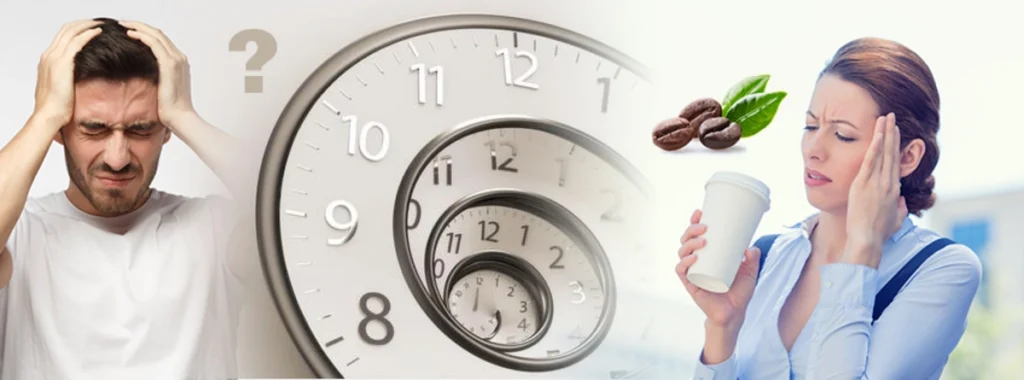
Common Caffeine Withdrawal Symptoms
The effects of caffeine withdrawal can differ from one individual to another. People who discontinue caffeine consumption tend to experience almost one or more of these signs:
- Headache that could be located at the back of the eyes or all around the head
- Mental tiredness and physical drowsiness
- Irritability or being down
- Problems with focus or concentration
- Upset stomach or sore muscles
- Anxiety and restlessness
Normally, caffeine withdrawal symptoms can be noticed within 12 to 24 hours of the last ingestion. Therefore, it is not hard to believe that such a fast response might lead to confusion with other illnesses, at least initially.
Caffeine Withdrawal Headache
This is one of the most common and visible symptoms of caffeine withdrawal: the headache. Caffeine reduces the opening of brain vessels. When caffeine is out of your system, these vessels open rapidly. This sudden change increases blood flow and causes pain. Typically, the headache feels as though something was dull on it and then was pressed with a stone. It is possible that it will remain for several days even if it is not given attention.
How Long Does Caffeine Withdrawal Last?
How long does caffeine withdrawal last is indeed what people usually ask. There’s a reasonable way to plan the period:
- First 12 to 24 hours: you may get the first symptoms like a minor headache and fatigue
- 20 to 51 hours: the symptoms will get the hardest
- 2 to 9 days: the majority of people will see that the symptoms have gradually subsided.
Though in a few cases, the mild tiredness or headache might still be there for a short period. Recovery speed is influenced by factors like genetics, amount of daily caffeine, and overall health.
Caffeine Withdrawal Medication and Relief Options
No single caffeine withdrawal medication is approved only for caffeine withdrawal. Nonetheless, several methods can significantly reduce the symptoms:
- Pain relievers: Headache can be lessened by taking over-the-counter analgesics such as acetaminophen or ibuprofen.
- Hydration: Having adequate hydration assists in diminishing tiredness and reducing intensity of headaches
- Rest: Sleep is necessary for the natural repairing processes of our brain and helps it recover from fatigue, stress, etc.
- Gradual tapering: Decreasing caffeine gradually, instead of stopping all at once, is much less likely to bring about very unpleasant and severe symptoms.
If symptoms are serious or keep reoccurring, never just go ahead and self-medicate; see a doctor!

How to Stop Caffeine Addiction Safely
Learning to get off caffeine requires patience and understanding. Abrupt stoppings might cause more severe withdrawal symptoms. Slow down and your brain won’t miss it much.
Helpful ways:
- Keep a log of your current caffeine intake
- Cut down your intake by half every couple of days
- Swap strong coffee with half-regular, low-caffeine coffee or decaffeinated coffees
- Have a caffeine cutoff time in the early lunch break
- Use water or herbal tea instead of caffeine-rich drinks
This method lets your body and brain slowly shift from caffeine dependence without facing any harsh withdrawal effects.
When to Get Help at Professional Level
The symptoms of caffeine withdrawal usually last no longer than a week for normal persons. However, few individuals still face mood swings, anxiety or difficulty to work properly which are possible indicators that they are really addicted to caffeine and need help. A qualified mental health professional is usually able to find the underlying causes and develop a good strategy tailored to a patient’s needs. In fact, if withdrawal symptoms are still present, sleep has already been affected, or mood is deteriorating over two weeks without improvement, seeking a professional opinion is the next step.
If caffeine withdrawal is affecting your daily life, Open Minds Psychiatry can help you build a personalized plan to manage symptoms and support long-term mental wellness.
FAQs
Most people recover within 2 to 9 days. Symptoms peak around day two and fade gradually after that.
The first signs are usually a dull headache, tiredness, and trouble concentrating. These often begin within 12 to 24 hours after the last dose.