Bipolar disorder heavily impacts one’s mood swings; it causes major swings between high energy and deep low mood. Lots of people in California who are affected live with this problem. But the good news is that bipolar disorder drugs are available.
It helps with mood fluctuations. They can also make daily life much easier for those affected. The present work outlines what bipolar disorder medication means in a very concise manner. Among the topics covered is treatment options.
What Is Bipolar Disorder?
Bipolar disorder is a psychological illness that alternates between periods of extreme highs with manic symptoms and extreme lows in energy and emotional well-being. Individuals will experience depressive symptoms during the low phase or depressive episode. A few will be able to experience both symptoms at the same time a situation known as mixed episode.
These large emotional swings will have an impact on the sleep cycle not just sleep quantity. They will also result in changes in energy levels. Moreover, the changes will also make people feel differently about their decision-making. In fact, most symptoms of bipolar disorder tend to become more serious if the condition is not treated. Therefore, choosing the correct medication for bipolar disorder is the key to recovery.
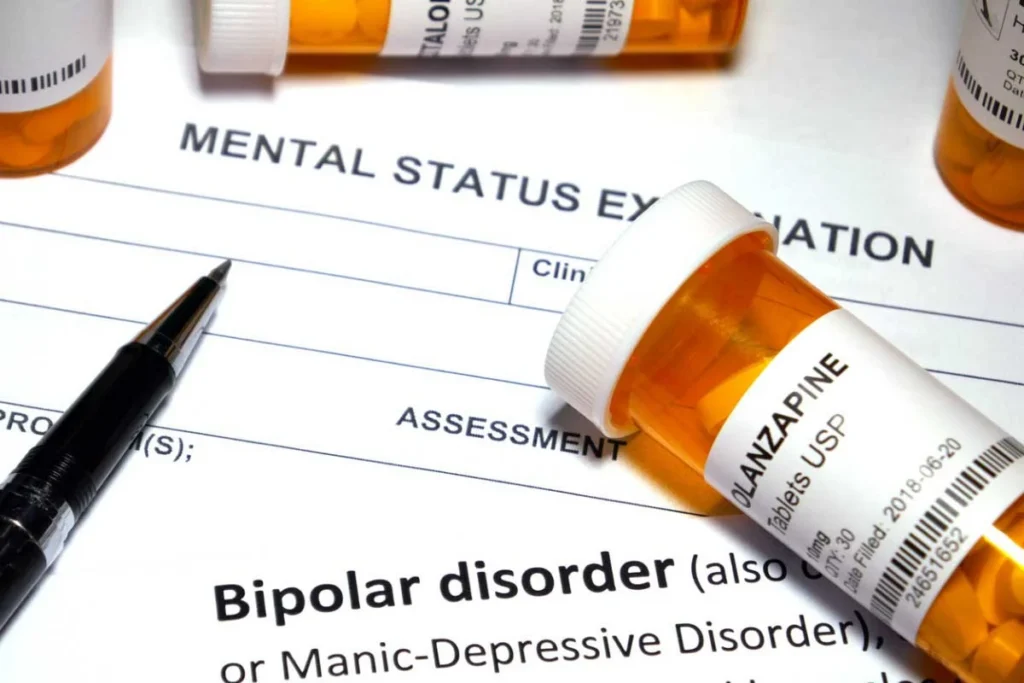
Bipolar Disorder Treatments Available Today
Typically, bipolar disorder treatments involve both drugs and psychotherapy. Drugs work on your brain chemistry; they keep your moods steadier.
Psychotherapy gives individuals ways to understand, manage, and change one’s thinking pattern and behavior. It also assists them in recognizing their early signs of mood swings. Through the combined efforts of medicine and therapy, the outcome is usually the best one could hope for.
Some common therapies that have been used for Bipolar Disorder are:
- Mood stabilizers
- Antipsychotics
- Antidepressants (which have to be used with caution)
- Psychotherapy
- Modifications to one’s lifestyle like improving sleep habits
No single medication will work the same way for everyone. A psychiatrist, through trial and error, will fine tune the treatment as per the situation. This way he or she will be able to pinpoint the particular bipolar disorder medication which suits the patient most.
Common Types of Bipolar Disorder Medication
Mood Stabilizers
Mood stabilizers are most commonly prescribed. Lithium is one of the best-known ones. It has a history of being an effective treatment for many decades. It not only helps in reducing/managing manic episodes but reduces the likelihood of a depressive phase as well.
Antipsychotics
Some antipsychotic drugs can be given alongside bipolar disorder therapies. They assist during manic or mixed states which are phases of mood swings that are quite extreme. They might also be prescribed to those who have bipolar disorder that comes with psychotic features i.e., someone who is undergoing hallucinations or delusions as well as mood symptoms.
Anticonvulsants
There are other kinds of antidepressants, like the anticonvulsive ones, which can be mood stabilizers as well as anticonvulsants. Preventing a sudden shift from a low/melancholic mood to a high/energetic one is their role. In such a case, when lithium treatment is not feasible/possible, a doctor may suggest an anticonvulsant medication.
Antidepressants
An antidepressant may sometimes be administered as an extra. It is, however, very seldom the sole treatment. Being on one without a mood stabilizer might bring on an episode of mania. The psychiatrist involved will keep a strict eye on their use.
Is Bipolar Disorder Genetic?
A lot of people ask: “Does bipolar disorder run in families?” The correct answer is to a certain degree. One’s background in the family is definitely one of the decisive elements. Relatives with a parent or sibling who has this mental illness have much a higher risk.
It’s a misconception to say that genes are the sole reason. Other external factors have their effect as well. Such as stress, traumatic experiences and how the brain works chemically all influence someone’s life. As such merely having relatives with bipolar doesn’t mean someone will automatically get it. It increases the likelihood of it but that’s all.
Bipolar Disorder ICD 10 Codes
MEDICAL PROFESSIONALS are referring to the ICD 10 codes for bipolar disorder diagnosis and documentation through the code system in this case. The core code family is F31 covering various types of episodes. Manic episodes, depressive episodes, mixed episodes along with levels of severity are among them.
E.g., some of the codes indicate that the symptoms are mild whereas others are for the cases where the symptoms are very severe. Some codes also are marked for psychotic signs. This medical classification method can enable doctors to know a patient’s history at glance.
Borderline Personality Disorder vs Bipolar Disorder
This is why people sometimes mix up borderline personality disorder with bipolar disorder. Both involve some mood swings. However, they are two very different disorders.
For bipolar disorder, there will be an episode and it can be the length of weeks or days only. The person’s mood will remain mostly unchanged until the next episode comes. On the other hand, borderline personality disorder will cause very quick mood changes. Sometimes a person’s mood can change in the matter of hours, and these mood changes are very often the result of interpersonal relationships or stress.
Accurate identification of the illness is very important since the treatment of either one is different. In case of bipolar disorder, the drugs will work on the mood episodes whereas borderline personality disorder will be primarily treated with a therapist or counselor.
Bipolar Disorder With Psychotic Features
There are individuals with bipolar disorder who also have a psychotic component to their illness. It indicates that when someone has hallucinations or delusions along with the mood symptoms, there can be serious manic or depressive episodes.
Such patients definitely require careful management. They usually also get antipsychotic medication and are closely supervised. Moreover, catching the episode in time is the key to stopping it from turning more serious.
Why Professional Guidance Matters
Medication for bipolar disorder is not the same for everyone. Every individual requires a customized treatment plan. The psychiatrist will assess your symptoms, medical history, and your lifestyle. On top of that, they will pay attention to side effects which will enable them to pick the medication that would not only cause the fewest side effects but also be the most effective.
In case you live in Sacramento and wonder if you may be suffering from bipolar disorder, take that next step today. At Open Minds Psychiatry, we provide the kind of expert, compassionate help you may need to manage bipolar disorder. Get in touch immediately to set up a session and get evaluated to take the first step on the way to regaining your emotional balance.
Living Well With Bipolar Disorder
Medication definitely plays a big role in treatment. Still, day-in-day-out lifestyle changes do the same. Sleep is a big deal to a healthy brain.
Having a regular schedule also helps. Giving up alcohol and drugs helps, for that matter so does getting support and company from loved ones.
Bipolar disorder does not mean that your life is a lost cause. Many people diagnosed with bipolar disorder are leading full, balanced lives. Right bipolar disorder medications, together with psychotherapy and a healthy lifestyle, might be the ticket for it.
Final Thoughts
Medication is a cornerstone in bipolar disorder management. Mood fluctuations can be stabilized with bipolar meds so living a better life becomes feasible. Being aware and informed about available medical treatments is the first thing you need to do. Then, the main factor is consulting a good psychiatrist. If you or someone near you in Sacramento requires support, we are here to help!
Frequently Asked Questions
Main categories are mood stabilizers, antipsychotics, and anticonvulsants. Antidepressants can be sometimes prescribed, though only under strict supervision.
You can in certain instances. Although antidepressants are rarely used by themselves. Generally, they are used together with a mood stabilizer in order to avoid triggering the manic phase.
Certain medications, for example, lithium, require blood monitoring. This serves the purpose of determining the levels of medicine in the body. Also, it measures the functioning of the kidney and thyroid so the therapy is safe.