
Deciding to take care of your mental health doesn’t mean you immediately have to undergo treatment and start feeling both scared and excited at the same time. Exploring your options through honest dialogue with your mental health professional will help you identify the suitable way forward.
Finding out your psychiatric medication choices, learning what to anticipate, and knowing where to turn for support are vital factors that will help you achieve long-term healing and inner peace.
We at Open Minds Psychiatry value patient participation and collaboration in healthcare delivery. Asking the doctor or other psychiatric nurse the questions can be really useful for successful mental health treatment. Therefore, it is not only about understanding what is happening but also being proactive in the whole process so that the person has enough information to decide on treatment and medication.
Following is the concise and clear information about the 10 questions that you were wondering about in a simple, plain language which you can use either as a learning resource or just add it as a part of your care plan.
1. What is the drug’s chemical name and brand name? Also, what is it used for?
All prescription medications have two different names, which include the one that is used mainly by a few people in the field: like, “The chemical name, ” which most people probably wouldn’t recognize if they found it in the dictionary; this would be something like sertraline. This is also known as the drug name (generic name). Then there is the brand name (commercial name), which would be something like Zoloft.
And the drug’s use description is to precisely tell you which kind of chemical pathways and what kind of symptoms the drug is targeting in order to help you most efficiently. Some of the possible examples are: helping with the mood, reducing severe anxiety, and balancing your sleeping patterns.
2. What are the typical psychiatry medicines prescribed for conditions like mine?
- In many ways, medication selection for different diagnoses will vary greatly. In general however, for example, the most used classes of drugs can be these:
- Depression and stress disorders are usually treated with antidepressants, which include selective SSRIs or SNRIs
- For panic attacks or physical manifestations of anxiety anti-anxiety meds such as buspirone or beta-blockers, these are called anxiolytics
- Mood stabilizers (medicinal substances such as lithium or certain anticonvulsants) that are utilized to prevent mood swings
- Treatment of psychoses or a combination therapy for severe depression, that is the field of antipsychotics, a drug class, a group.
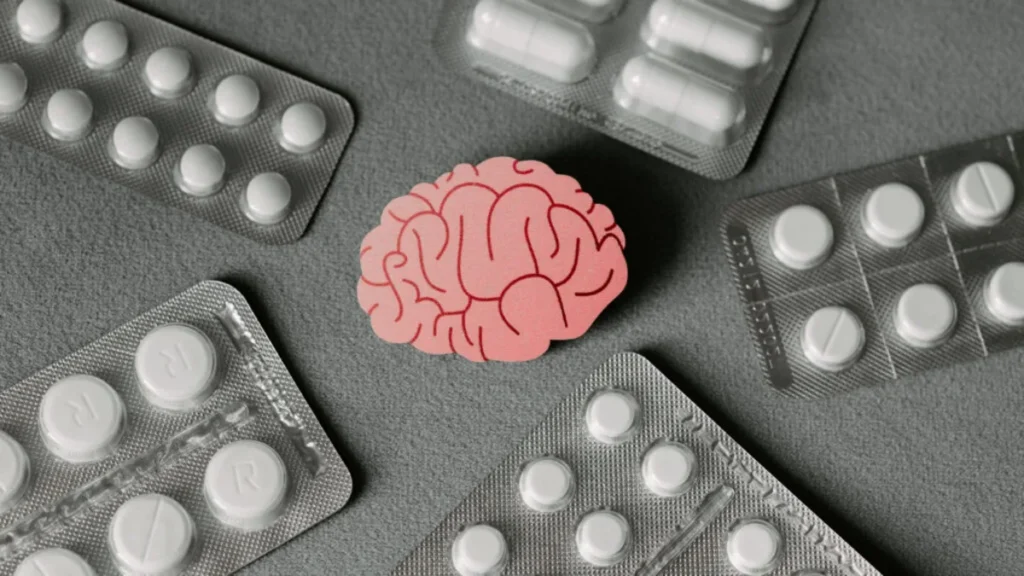
3. How many days until I notice a visible improvement in my symptoms?
Medications that you take to fall asleep or manage sudden anxiety can give you results almost immediately. The majority of pills that you take every day such as psychiatric ones slowly increase in your body and it’s a process that takes some time. After being on antidepressants or mood stabilizers, you will start noticing changes and the results will become more stable in about 2-6 weeks, according to experience.
4. What types of side effects could I be looking at? And what are the steps that I need to take if these side effects become a problem?
Dizziness, dry mouth, mild headache, and mild sickness for a certain timeframe these are normal and expected for the first few weeks while your body is getting used to the meds. When there are mild ones, you are advised to just sit back and wait for them to resolve themselves. At the same time, if they turn out to be really annoying, if they are a physical pain or if they come along with things like a sudden rash or thinking about killing yourself, it’s crucial that you inform your doctor as quickly as possible or get the hospital care you need at once.
5. Is it safe for me to take this medicine at the same time with my other prescriptions or vitamins?
The physician who prescribed the medication has to make sure that the new prescription will not interact adversely with your whole list of medications including the over-the-counter ones and also herbs like St. John’s Wort. This helps avoid situations where a drug interaction could make a medication less effective or worse still cause harmful physical effects.
6. Is it better to take this dose in the morning, at night, with food, or on an empty stomach?
Dosing times are mostly a function of the characteristics of the medicine:
- If a medicine makes you very sleepy, it’s best to take it at bedtime so the effect doesn’t get in the way before your sleep.
- Medicines which have energizing effects will be a good choice for the day so that you’ll keep your sleep cycle intact.
- If you are sensitive to an empty stomach, having your dose along with food will go some way in keeping you from getting stomach upset whereas some others will be absorbed better if your stomach is empty.
7. What is the long-term plan for this treatment, and how long will I need to stay on it?
Doctors generally recommend a stay of 6 to 12 months on the same medication that got you to a normal mood after the first attack of depression or anxiety in order to prevent a relapse. Those with an ongoing or recurrent depression can be the case of long-term or lifetime use of drugs as a way to maintain their wellbeing and quality of life.
8. Are there any specific foods, drinks, or activities I need to avoid while on this plan?
In general, you should avoid or severely restrict alcohol consumption as it may cause depressive symptoms to get worse, lead to an increase in sleepiness, and can also have a poor interaction with many medicines. Some drugs can become a serious problem if a person consumes a large amount of caffeine or grapefruit juice. Moreover, a medication that causes a loss of control over the car is usually a reason not to get near a car until you find out the effect of the drug on you.
9. What should I do if I missed the scheduled dose?
Generally speaking, if you happen to notice it only a couple hours after the usual time of the dose, it will be fine to take the forgotten one immediately. In case your missed dose was almost the one coming next, better not to do anything except forget about the missed one and go back on the regular schedule. One thing you should keep in mind though is that doubling up one dose after another is not a way to compensate and may lead you to experiencing serious side effects.
10. How often will doctors need to appoint follow-up meetings to monitor my progress?
A common arrangement when the psychiatric drug prescription is newly issued or modified would be meeting your doctor every 2 to 4 weeks to gauge how well you are responding and see what are the side effects. After you find out the right dosage that brings no major side effects and keeps you emotionally healthy for a longer time, you can expect the appointment frequency to be reduced to no more than once in 3 to 6 months for routine checks.
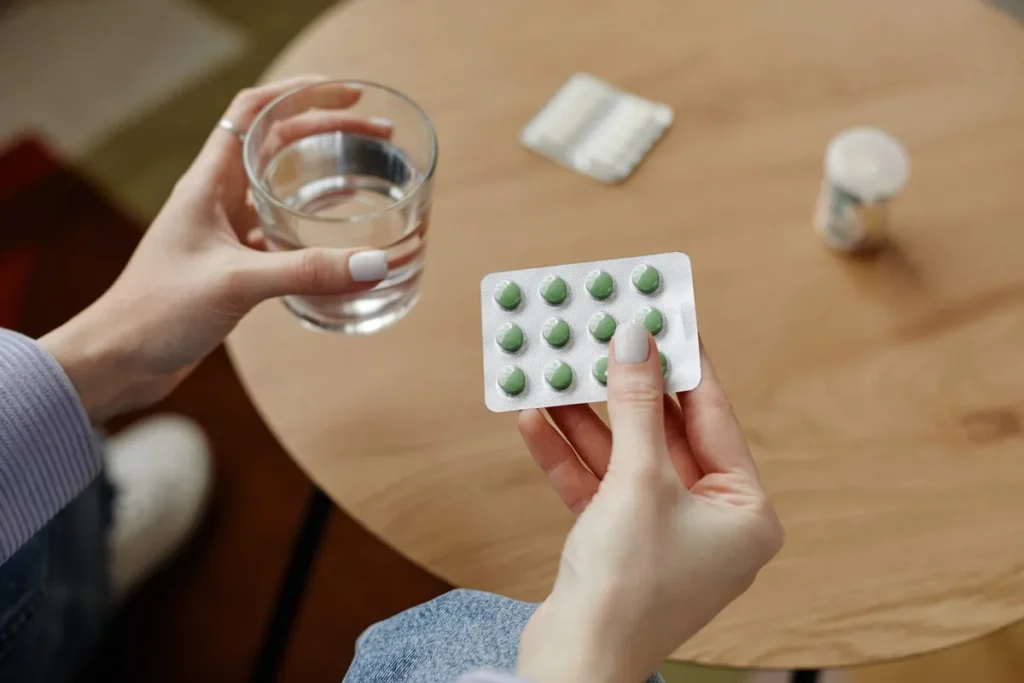
Who Can Prescribe?
While you look into your choices, it’s quite possible that you’ll type in “psychiatric medication management near me” and perhaps raise your eyebrows as you look at the different credentials of the medical practitioners. It’s a natural question: ‘can a psychiatric nurse practitioner prescribe medicine?’ The answer to that is yes, they definitely can.
Nurse Practitioners (PMHNPs) who specialise in Psychiatry are licensed medical professionals who are capable of providing diagnosis, conducting assessments, giving therapeutic services, and prescribing medicines for mental health disorders.
In contrast, you can also wonder: can a psychiatric social worker prescribe medicinal treatment? The response to this one is no, they can’t. Clinical social workers provide important services through the delivery of therapy, counseling services, and the teaching of coping strategies, but they are not medically licensed to prescribe drug
Frequently Asked Questions
In a way both panic attack and heart attack may lead to symptoms like tightness in the chest area, shortness of breath, perspiration, dizziness as well as fast heartbeats.
You may want to concentrate on making slow, deep belly breathing, understand that the sensation is brief, stay grounded by naming the physical things around you, then go to a quiet room.
A consultation is recommended if mood-related issues affect your personal or professional life, or if you are in a mental health crisis, then it would be wise to turn to mental health professionals.
Heart attack usually presents as chest discomfort (e.g., pressure or squeezing) with other discomfort located in different areas of a body that may last or spread over time to upper jaw and left arm while the most prominent characteristics of a panic attack are fear and anxiety that reach their peak and then gradually fade in 20-30 minutes.